
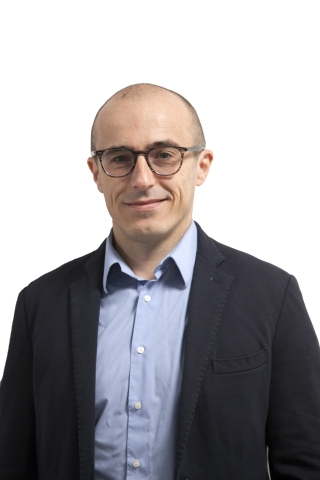
Nicola Artuso

Background
With a degree in Mechanical Engineering and more than two decades of B2B experience, Nicola Artuso has built his career at the intersection of Product Management and Project Management in the sheet metal and machine tool industry. He has managed over 150 complex projects, working with top international manufacturers, for example in sectors such as civil appliances, air conditioning and elevators. From the early steps of requirement analysis and pre-sales support, all the way to final commissioning, Nicola has consistently focused on one objective: turning technical specifications and strategic visions into industrialized, reliable solutions that generate measurable value. His experience spans European and Asian markets and covers the full product life cycle, giving him a clear view of how bending technologies must perform, not just on paper, but in the daily reality of high-mix, time-critical production. Today, he works side by side with customers who want to increase productivity, stabilize quality and reduce total cost per part, using bending technologies as a lever to strengthen their market position.
Vision for the sector
I see bending as a key value-adding step in the sheet metal process, not just another operation. Our customers face shorter lead times, smaller batches and higher product variability: their competitiveness depends on changing from one product to another quickly, without losing consistency, efficiency, or margin. Bending technologies should help them manage this complexity, not add to it. They must be easy to program, simple to integrate into existing flows, and ready to work with robots and automation. If we reduce waste and rework, and keep bending in sync with cutting upstream and assembly downstream, we remove friction from the entire process. The real innovation, for me, is a bending solution that operators trust, managers can predict, and companies can build their competitiveness on, so they can focus on delivering better products, faster.


